



.png)


Overview
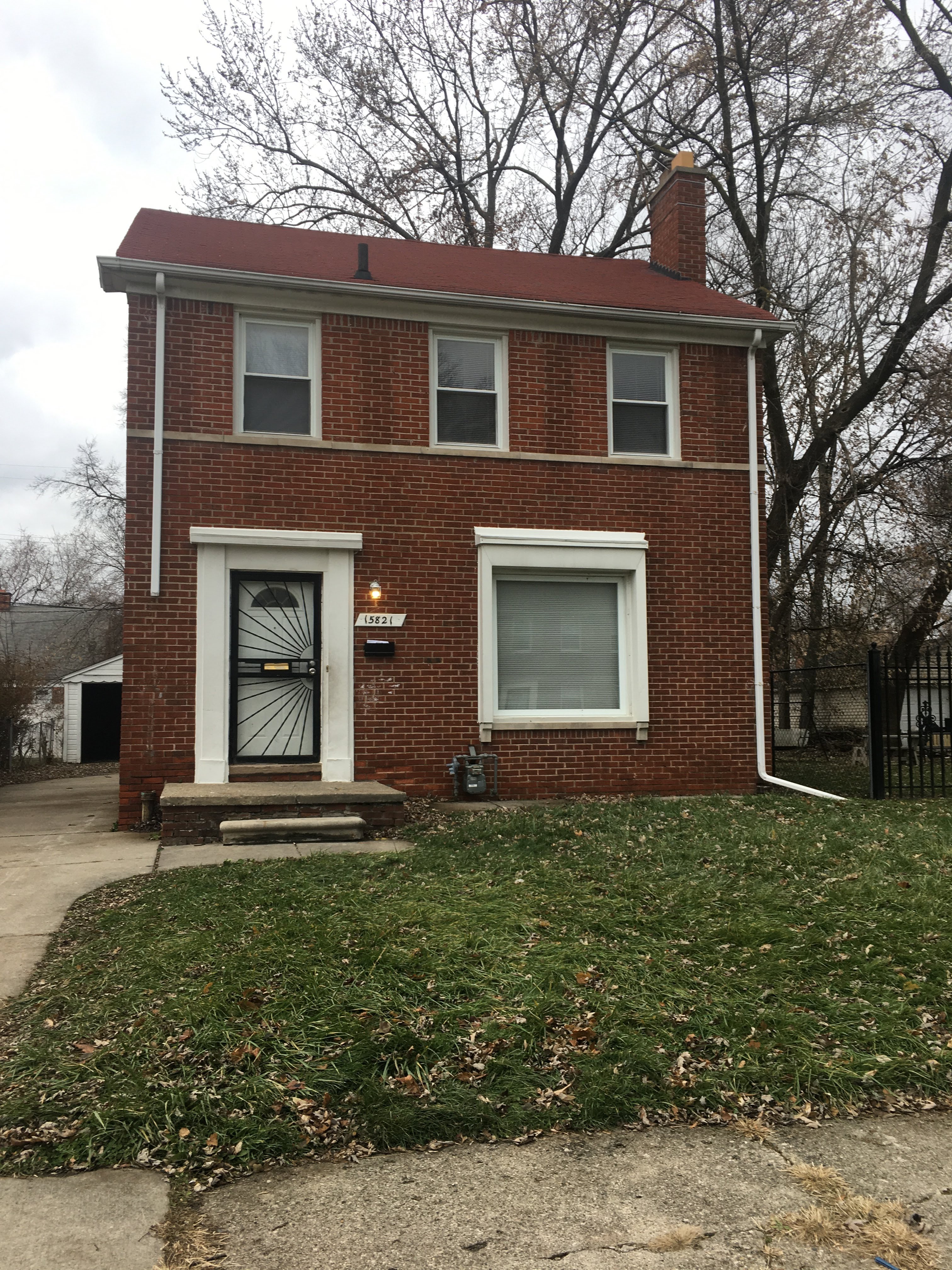
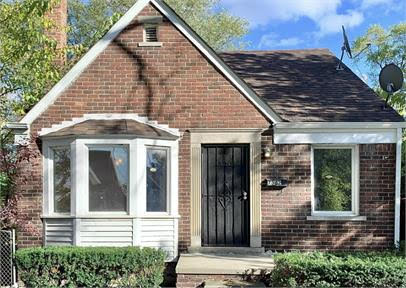
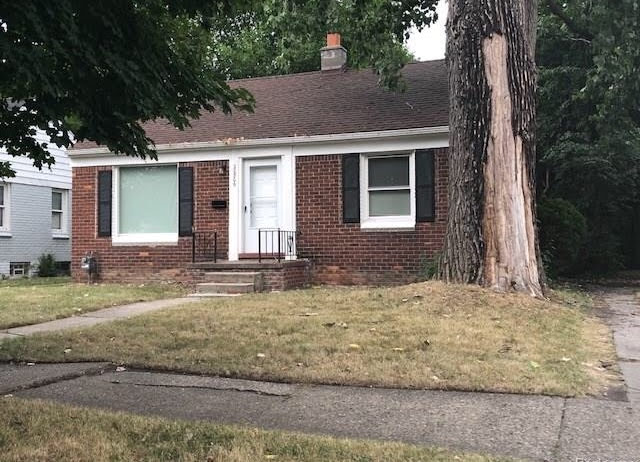
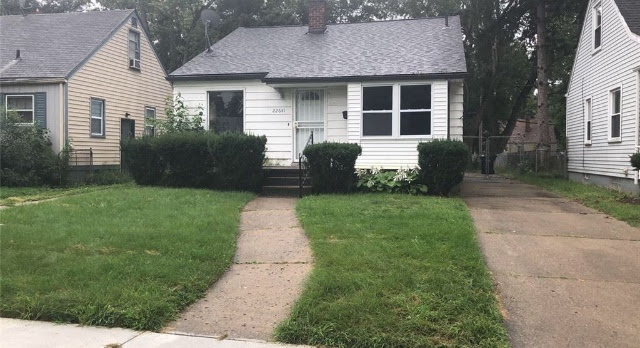
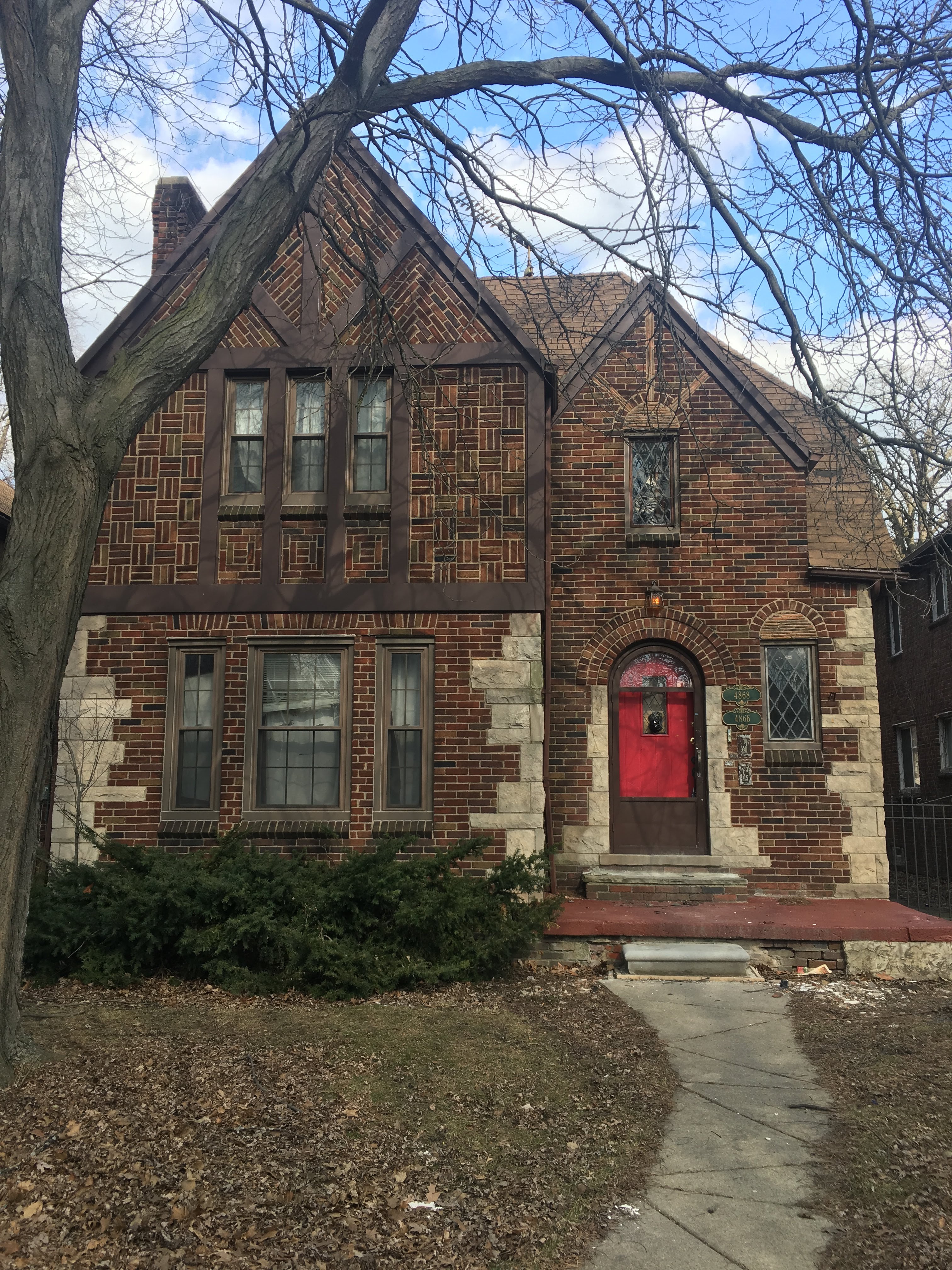
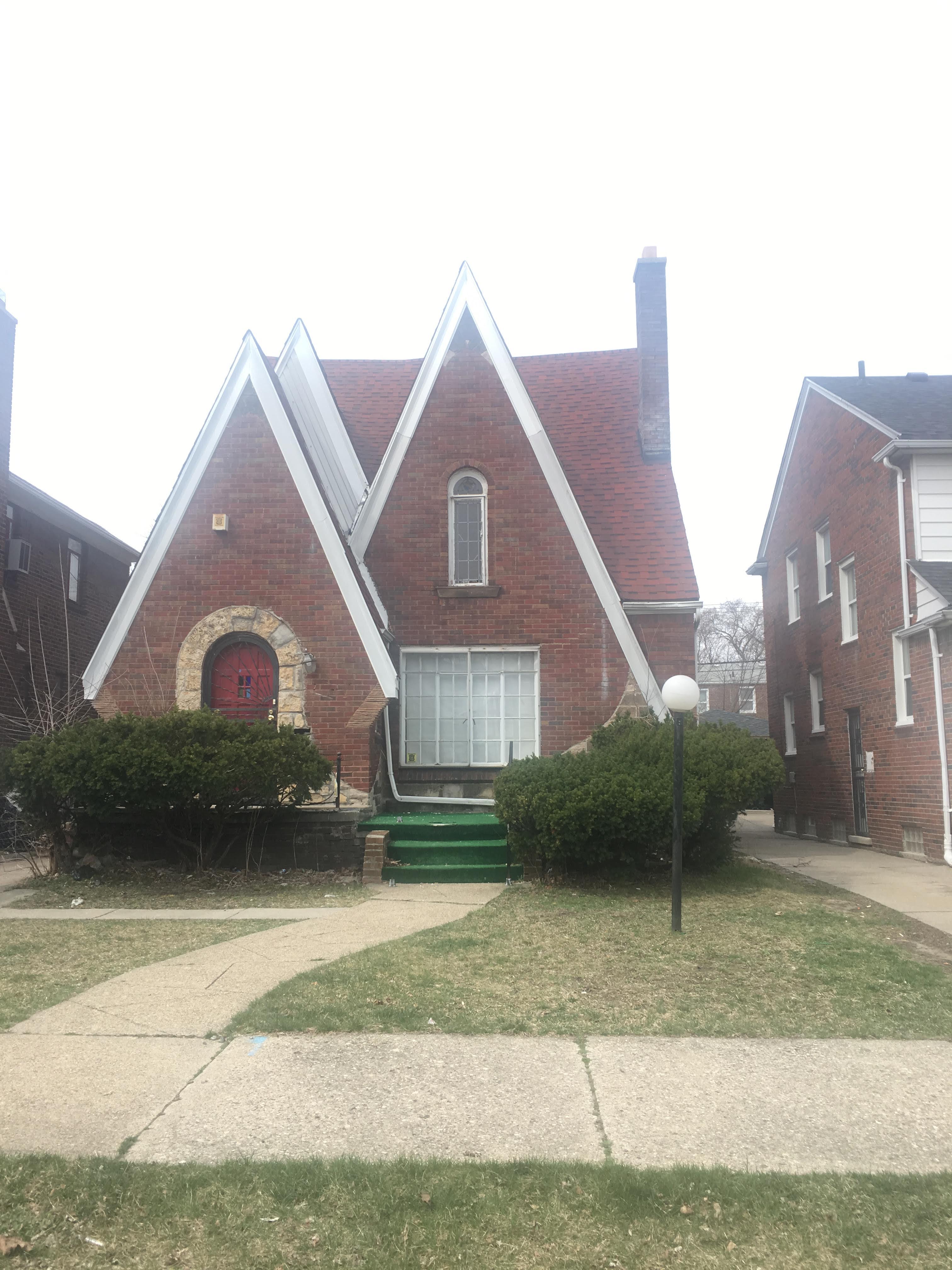
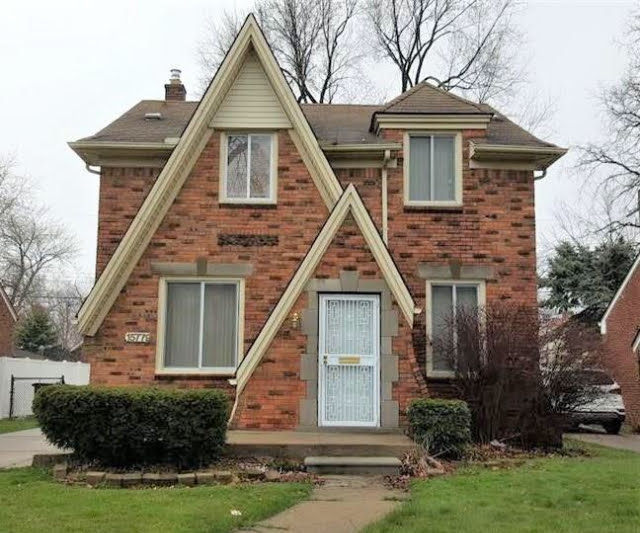
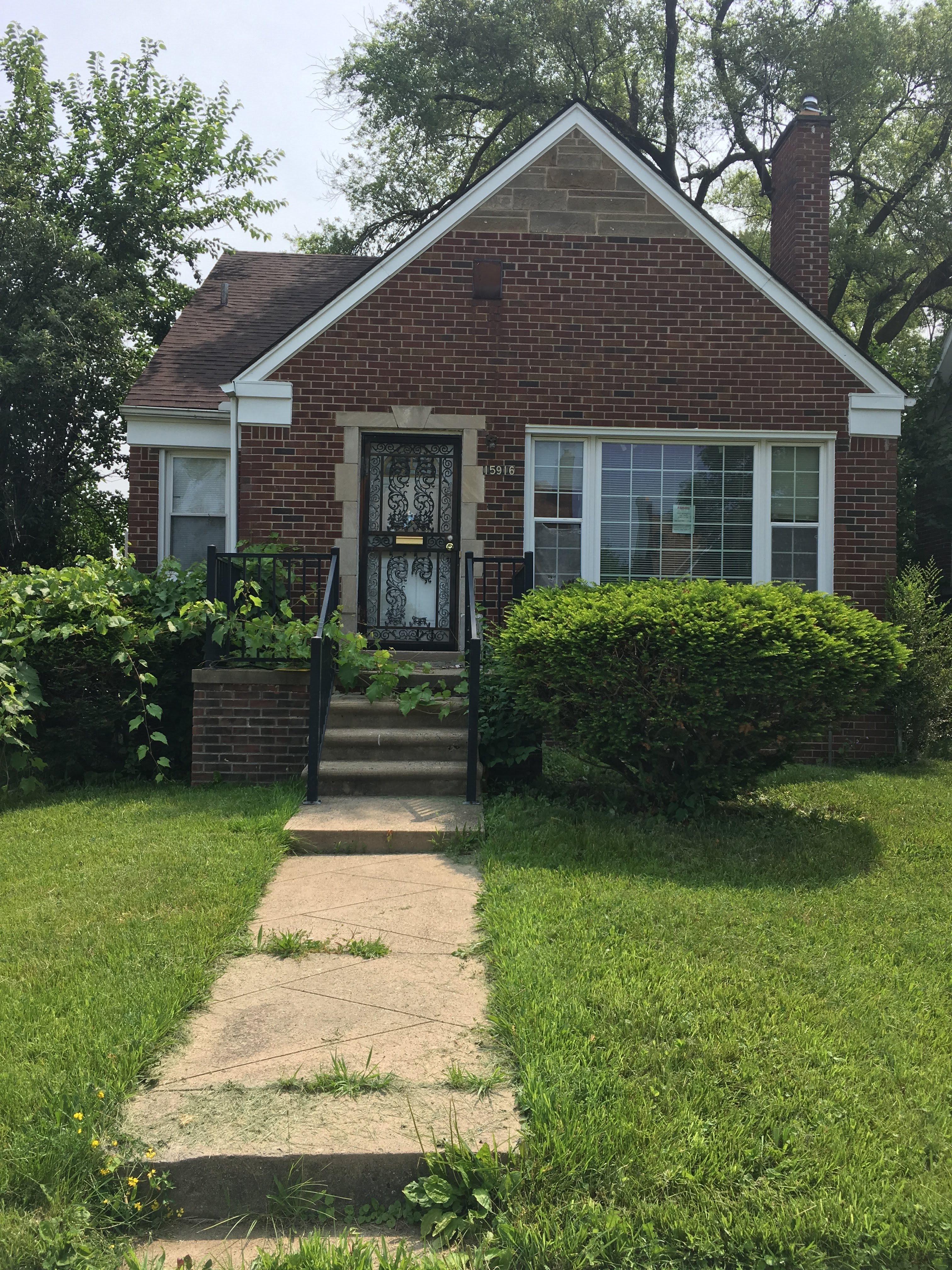
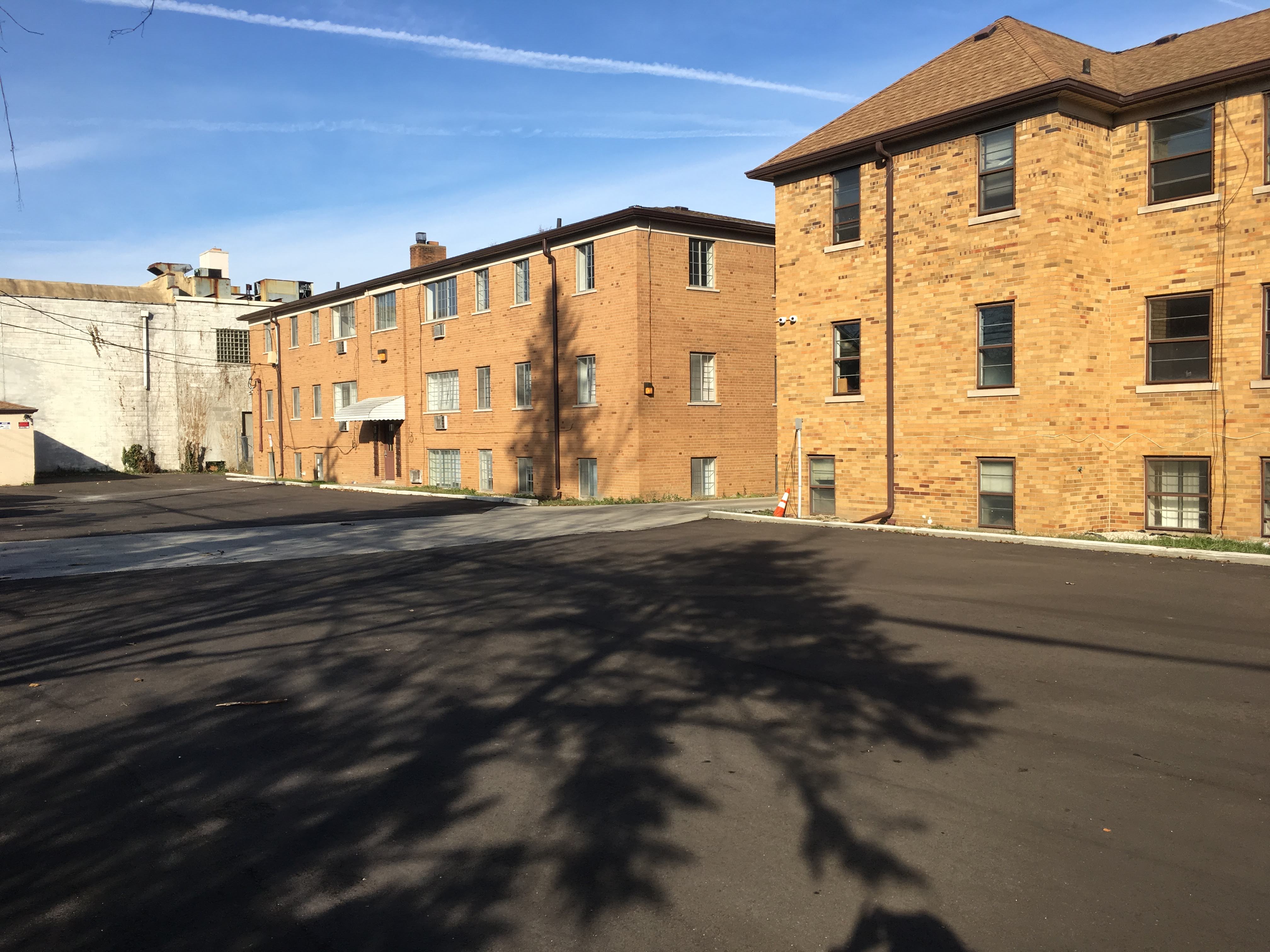
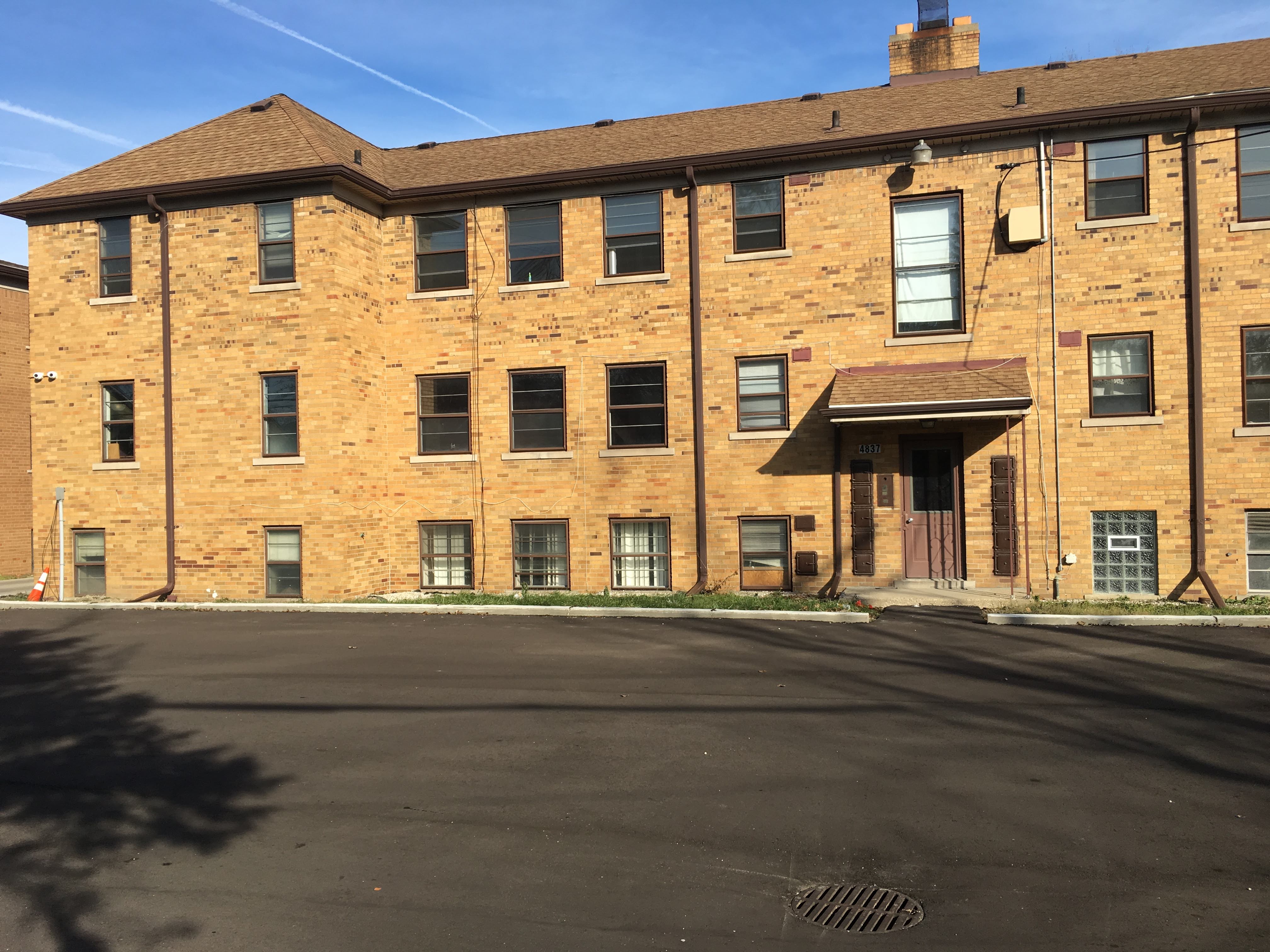
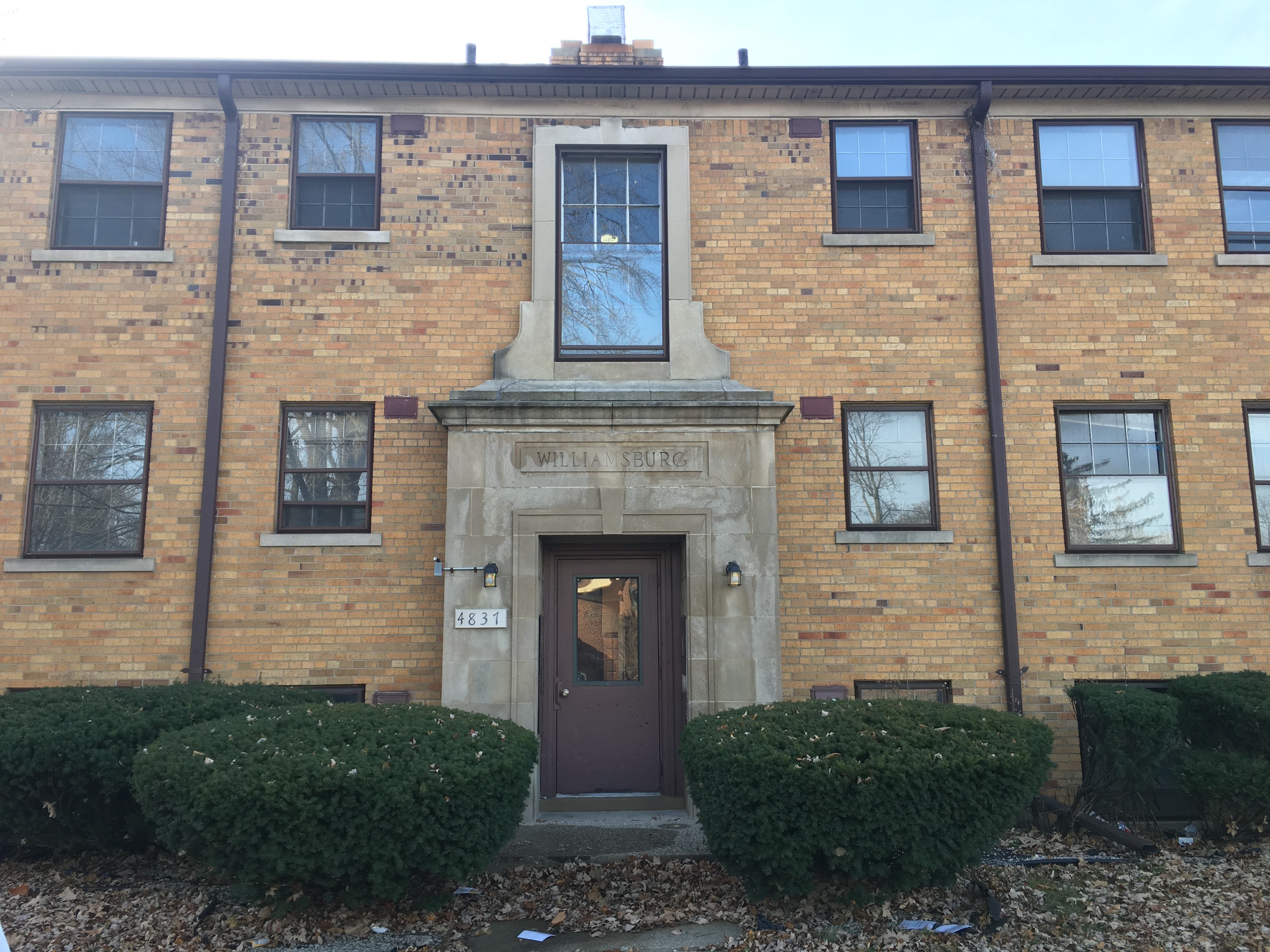
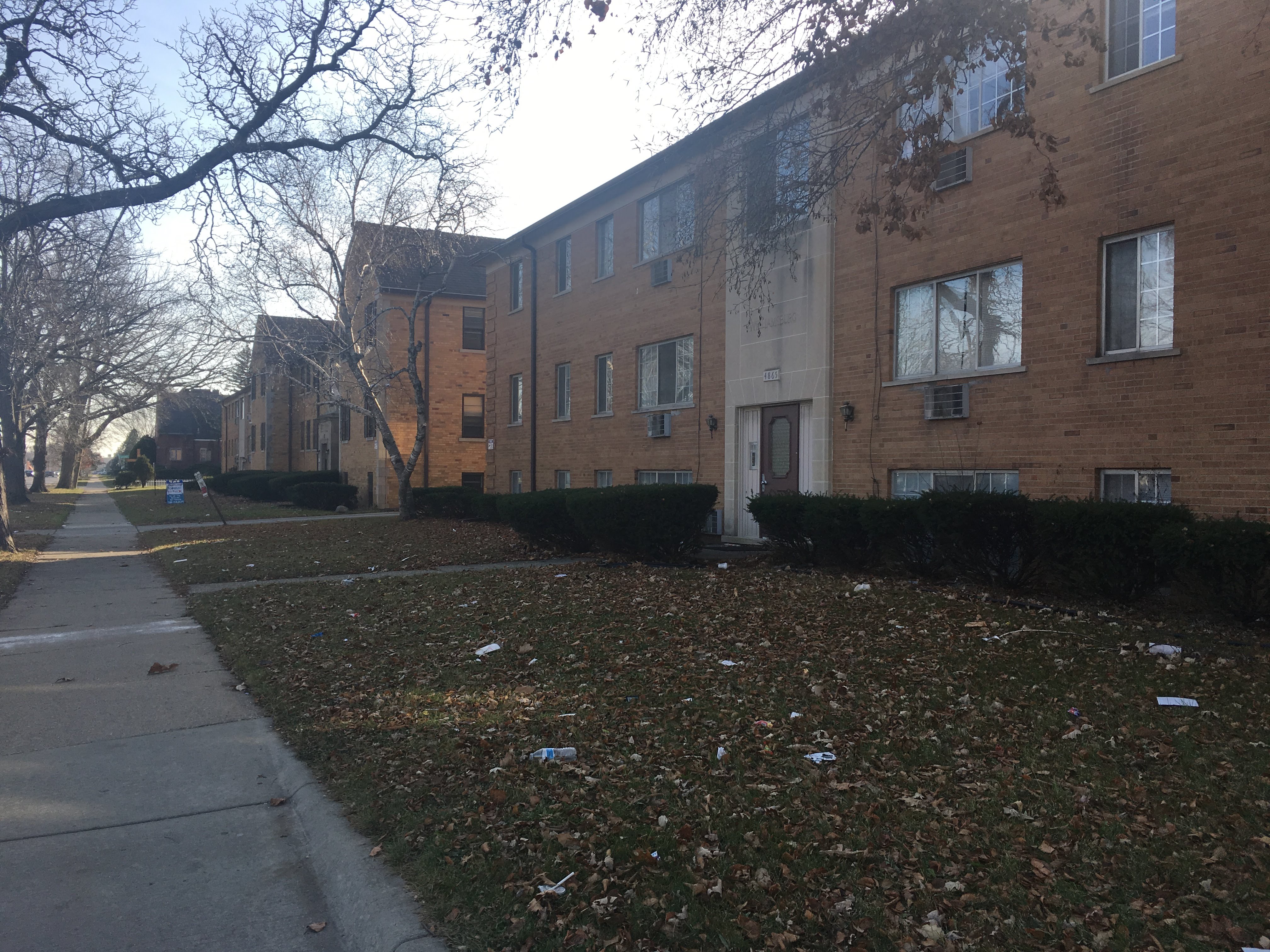
A nine-property residential rental portfolio was acquired in a distressed operational state, primarily characterized by elevated tenant delinquency, inconsistent rent collection practices, and limited financial oversight. At the outset of engagement, six out of nine units – approximately 67% of the portfolio – were behind on rent. This created immediate pressure on cash flow and placed downward stress on overall asset performance and valuation.
The objective was to stabilize the portfolio through structured operational intervention, improve rent collection consistency, and restore predictable monthly cash flow within a six-month period.
Objective
The primary goal was to reduce delinquency and improve net operating cash flow through a combination of tenant resolution strategies, operational standardization, and improved asset-level financial management. Secondary objectives included improving tenant quality, reducing future delinquency risk, and establishing a more disciplined property management framework to support long-term performance.
Key Challenges
The portfolio’s underperformance was driven by a combination of structural and operational issues rather than isolated tenant behavior. A high delinquency rate reflected gaps in tenant screening and lease enforcement, while rent collection processes lacked consistency and accountability.
In addition, deferred maintenance across multiple units contributed to tenant dissatisfaction and further weakened payment compliance. On the management side, the absence of standardized financial tracking made it difficult to accurately assess portfolio health in real time or implement corrective actions quickly.
Strategy & Implementation
Tenant Engagement & Delinquency Resolution
The first phase of stabilization focused on direct tenant engagement. Each delinquent account was reviewed individually to understand underlying causes and determine feasible resolution paths. Where appropriate, structured payment plans were introduced to help tenants catch up on arrears while maintaining occupancy stability.
However, where tenants were unable or unwilling to comply with agreed-upon terms, enforcement actions were initiated in accordance with lease agreements. This balanced approach ensured that resolution efforts were prioritized, while still maintaining operational discipline when compliance was not achievable.
Operational Standardization
Once immediate delinquency risks were addressed, focus shifted to systematizing core property management functions. A formal rent collection policy was introduced with clearly defined due dates, late fee structures, and escalation procedures. This created a consistent framework for tenant expectations moving forward.
Property management software was also implemented to centralize payment tracking, communication history, and portfolio-level reporting. This enabled real-time visibility into rent collection status and significantly improved operational oversight. Monthly reporting routines were established to track key performance indicators and provide a clear view of portfolio health.
Leasing & Tenant Quality Improvements
To reduce future delinquency risk, tenant qualification standards were strengthened across all properties. Screening processes were updated to include more rigorous income verification, credit assessment, and rental history review. This shift in tenant selection criteria was designed to improve portfolio stability over time rather than simply resolving short-term issues.
As units became available through turnover or eviction, they were re-leased at market-aligned rates to improve revenue performance. This phase also contributed to gradual normalization of occupancy levels while improving overall tenant quality.
Property Condition & Retention
Deferred maintenance issues were addressed in parallel with leasing and collections efforts. Rather than pursuing large-scale capital projects, the focus was placed on targeted, high-impact repairs that directly influenced tenant satisfaction and retention.
These improvements helped stabilize paying tenants and reduced the likelihood of further payment disruption. Over time, this contributed to improved retention among compliant tenants and supported more predictable cash flow.
6-Month Results
Within six months, the portfolio experienced a meaningful operational turnaround. Delinquency rates were reduced from 67% to under 20%, significantly improving monthly income stability. Occupancy was stabilized with a stronger tenant base, and rent collection processes became more consistent and predictable.
As a result of improved operations and tenant quality, net cash flow increased by approximately 45% over the period. In addition, the introduction of standardized reporting and property management systems significantly enhanced visibility into portfolio performance, enabling more proactive decision-making.
Key Takeaways
This engagement reinforced the importance of early and structured intervention in distressed rental portfolios. Addressing delinquency in isolation is not sufficient without simultaneously improving operational systems and enforcement discipline.
Consistent policy enforcement played a key role in shifting tenant behavior, while improved screening standards created a stronger foundation for long-term stability. Ultimately, operational discipline - particularly in the form of systems, reporting, and process consistency - proved just as critical as leasing execution in restoring financial performance.
Conclusion
Through a combination of disciplined asset management, structured tenant resolution, and operational systemization, the portfolio successfully transitioned from a distressed state to stabilized performance within six months. The resulting 45% increase in cash flow underscores the impact of aligning tenant management strategies with rigorous operational execution.
E-mail: info@nremg.com
Call us: 833-GO-NREMG
© 2018 - 2026 National Real Estate Management Group® LLC.
All Rights Reserved. Privacy Policy and Terms of Use.
-p-500.png)
